I spent a quiet arvo in Adelaide discussing the mathematics of the tie wager with a game-design consultant who really understands probability. The conversation kept returning to how a casino builds its tables around risk rather than pure entertainment value. You can see the same priorities shaping the tables at needforspeedcasino.net, where the layout nudges players toward the banker bet without hiding the real cost of the tie option. House edge is never just a number on a card, and anyone chasing a quick payout on a nine-and-nine tie should understand what they are actually buying.
The mathematics behind the wager
The tie bet pays eight to one on most standard baccarat tables, which sounds generous until you run the actual probability. A slot mathematician would tell you the deck composition creates roughly a 9.5 per cent chance of a tie in a standard eight-deck shoe, and that figure shifts only slightly with minor rule variations. The true expectation sits around 14.36 per cent house edge, which makes it one of the most expensive wagers on the felt. I asked whether the payout ever justifies the risk, and the answer was blunt: it does not, because the long-run loss rate dwarfs the occasional big hit. Game designers know this, which is why the tie square is often printed smaller or tucked away from the main betting grid. The art direction on a physical table matters here, because a prominent tie box tempts impulsive bets even when the mathematics says otherwise. An eight-to-one payoff feels exciting in the moment, but the expected value drags the player down over any reasonable session. If you want a clearer picture of how casinos price their wagers before you sit down, the breakdown in Understanding House Edge Before You Play explains why the tie bet is priced so aggressively. The maths never lies, and anyone who treats the tie as a shortcut to profit is fighting a steep uphill battle against the shoe.
| Detail | What it means for the tie bet |
|---|---|
| Standard payout | Eight to one on most live and online baccarat tables |
| Approximate tie probability | Around 9.5 per cent in an eight-deck shoe |
| True house edge | Roughly 14.36 per cent over the long run |
| Designer intent | Smaller layout placement to discourage impulsive wagers |
Two ways the edge shows up at the table
How the layout nudges your choice
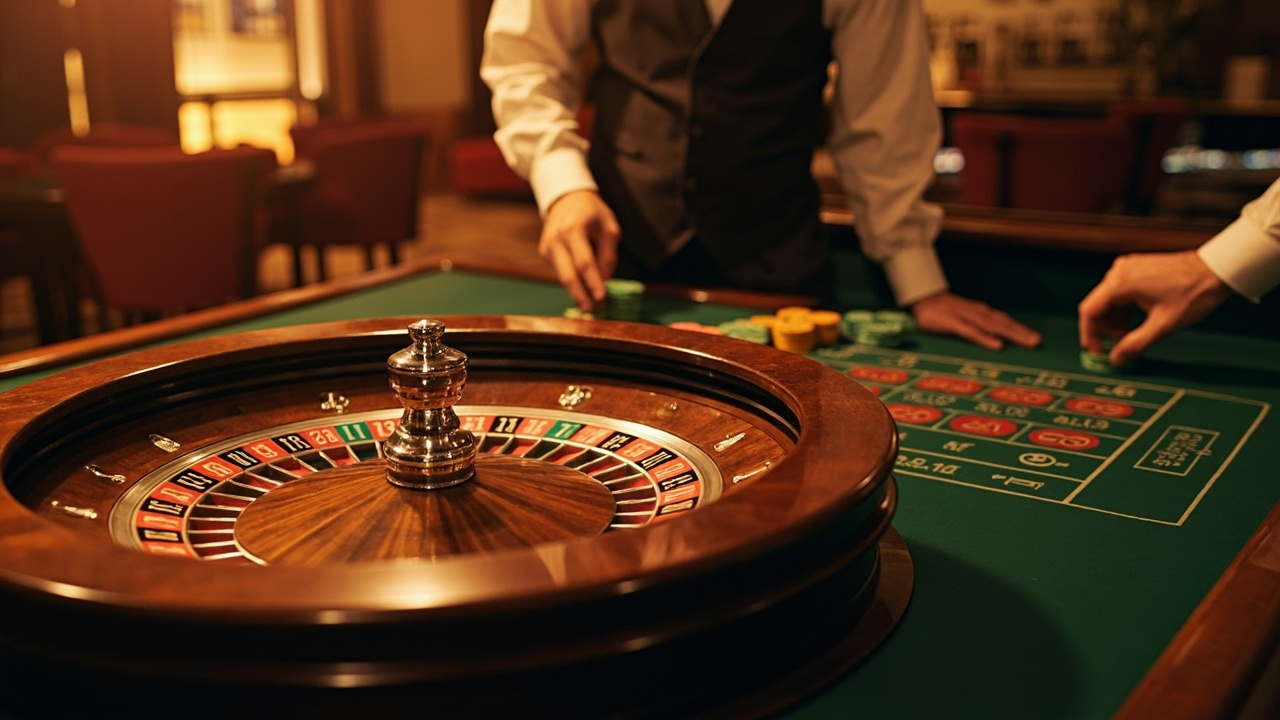
The physical placement of the tie square changes how often players reach for it, and that is deliberate. A slot mathematician would argue that a game’s visual hierarchy is just as important as its payout table, because a bold tie box sitting between the banker and player squares invites accidental wagers. I watched a demo table where the tie bet was printed in a lighter font and pushed to the outer edge, and the betting rhythm clearly slowed down. The consultant reckoned that good table design respects the player’s wallet by making the expensive option less visually dominant. You do not need a degree in probability to notice that a smaller, quieter tie square gets fewer stray chips. The same principle carries over to online interfaces, where the tie button is often greyed out or placed below the main betting controls. That design choice is not an accident, it is a direct response to the mathematics we discussed earlier. A well-built table gives the banker and player bets the visual weight they deserve, while the tie wager stays present but unobtrusive. Players who understand that hierarchy walk away with a clearer sense of where their money actually goes.
Why the payout feels tempting
The eight-to-one figure triggers a very human response, because a single win feels like a windfall even when the odds are stacked against you. I asked the consultant whether that psychology ever makes the bet worthwhile, and the reply was measured: occasionally it adds a bit of drama to a quiet shoe, but it is never a sustainable strategy. A game designer knows that a rare big payout can keep a table feeling lively, yet the underlying house edge still does the heavy lifting over time. The excitement of a tie hit is real enough to notice, but it does not change the expected loss rate one bit. Anyone sitting down for a long session should treat that eight-to-one payoff as a occasional bonus rather than a core plan. The mathematics keeps the tie bet expensive, and the design keeps it visible enough to tempt a reckless chip. Understanding both sides of that equation is what separates a thoughtful session from a costly one.
Matching the edge to how you actually play
The tie bet makes sense only if you accept that it is a fast, high-variance side wager rather than a main event. I reckon most Adelaide players who try it are chasing a bit of drama during a slow shoe, not building a serious strategy around it. The house edge stays punishing no matter how you slice it, so the smart move is to treat the tie square as a small occasional bet while keeping the bulk of your chips on the banker or player lines. Game designers build tables with that this kind split in mind, and the layout usually reflects it by making the tie option smaller and less prominent. If you prefer a steadier session, you skip the tie altogether and let the shoe run its course. If you want a little extra tension, you drop a modest chip on the tie now and then and accept the long-run cost. Either way, the mathematics does not change, and the only real choice is how much variance you want in your night.Understanding Casino House Edge Before You
The tie wager is a high-edge side bet that adds drama but drains value over time, and the smartest approach is to keep it small or skip it entirely.needforspeedcasino.net