Poker Shot Taking Strategy As A Measured Playbook For Aussie Tables
Poker shot taking strategy is less about luck and more about controlling tempo at the table, especially when you want decisions that scale across sessions. I’ve spent years mapping platform-specific content and audience engagement, and the same discipline applies here: read the room, track the tells, and cut variance before it cuts your stack. For Brisbane punters dropping into a local card room on a humid arvo, that mindset separates casual shuffles from sessions that actually pay off.
Reading The Table Before You Commit
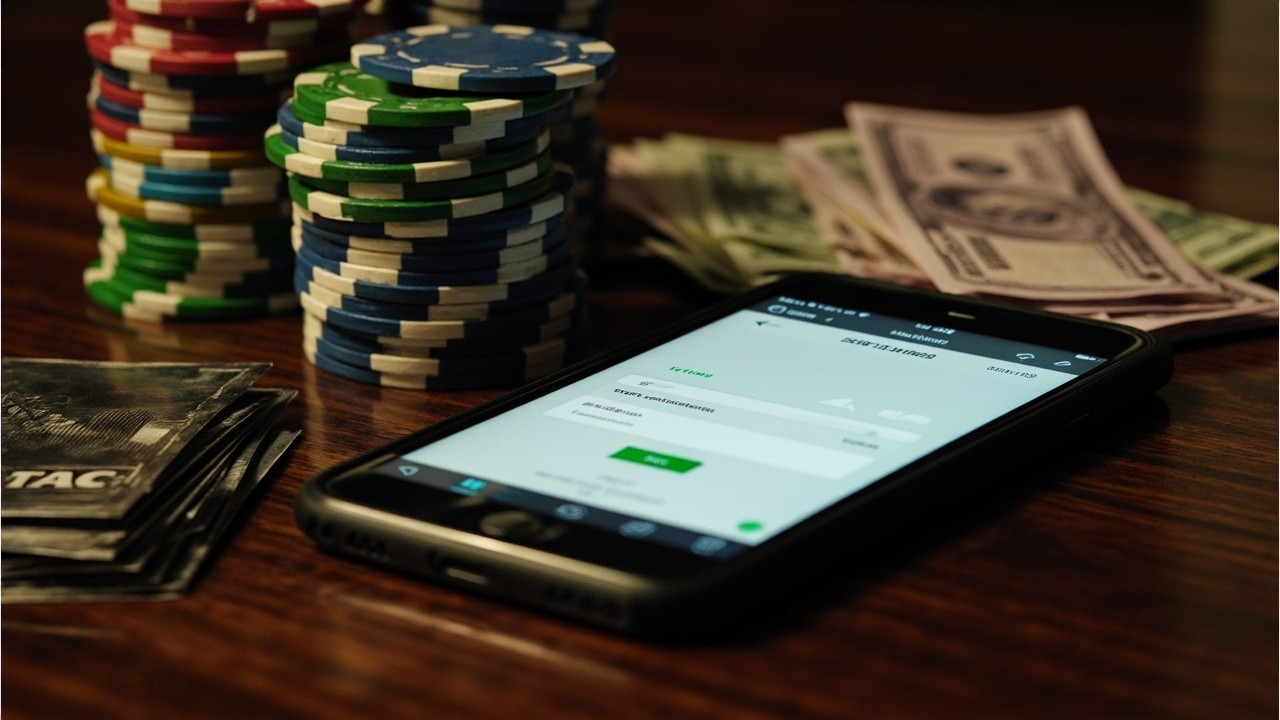
Focus starts with pattern recognition rather than raw aggression. Poker shot taking strategy rewards players who watch how opponents size up pots, delay their bets, and react when the board runs cold. I measure engagement the same way I measure content performance: small, repeatable actions compound, while erratic swings disappear fast. Many older Aussies still call pressing the button “pulling the pokies,” a nod to the lever era, and that same instinct to watch the mechanism before you commit translates straight to card games. You want a setup that keeps the pace steady, the software responsive, and the table flow predictable enough to track multiple lines at once. When the interface loads cleanly and the betting rounds stay crisp, you can concentrate on position and timing instead of fighting lag or cluttered layouts. That everyday usability matters because a distracted session turns into reactive betting, and reactive betting burns through margins quicker than a delayed Sydney train burns through a morning commute.
Building A Shot Taking Framework That Holds Up
Position, Timing, And Table Selection
Position dictates almost every profitable shot you take, and the framework only works when you pick tables that match your rhythm. I treat table selection like audience development: you don’t force a niche crowd into a broad blast, you match the room to the message. Start with lower-traffic tables where hand frequencies are easier to read, then move up once your timing tells are consistent. Harrison Carter, Product Analytics Lead, Waratah Digital Group, notes that session data shows players who log position-based decisions before moving up in stakes retain their edge far longer than those who chase momentum alone. Keep your shot cadence deliberate, fold when the board narrows your range, and only press when your positional advantage is clear. A Brisbane club floor on a Friday night can feel as packed as a Melbourne tram, so the players who survive are the ones who wait for clean openings rather than forcing action into crowded lanes.
Bankroll Discipline And Emotional Control
Discipline is the second pillar, and it has to be built into the routine rather than bolted on after a bad beat. Problem gambling can involve either escape or action motivations, so the safeguard has to address both: set a session limit, track your buy-ins, and walk away when the numbers drift. Never chasing losses is the single most important safeguard, because trying to force a recovery shot usually turns a manageable downswing into a full reset. Hannah Cooper, iGaming Regulatory Consultant, Great Southern Betting Review, warns that players who tie their shot decisions to emotional targets rather than pre-set limits tend to overplay marginal spots and misread their own fatigue. Treat your bankroll like a content budget: allocate it across sessions, measure the return, and cut the line when the metrics stop supporting the spend. Leo Fisher, iGaming abigcandywin.org Regulatory Consultant, Bondi Sports Data, adds that consistent stop-loss routines are the clearest predictor of longer survival at the tables, even when the short-term results look choppy. When you keep the framework tight, you can step back from a rough run without letting it dictate the next hand.
Matching The Strategy To How You Actually Play
A measured approach only sticks when it fits the way you sit down to play. If you prefer shorter sessions with clear endpoints, build your shot taking around fixed buy-ins and a hard stop, then review the hands that mattered rather than every marginal call. If you like longer runs, focus on position consistency and let the smaller edges compound instead of hunting big pots on every street. The everyday usability of a clean table flow, predictable betting rounds, and a layout that keeps your notes visible makes that discipline easier to maintain, and that is where the strategy earns its keep. You do not need a complicated system to start; you need a repeatable one that survives a busy Brisbane weekend and still leaves you in control when the room quiets down.the dog house megaways

The verdict is straightforward: poker shot taking strategy works best for players who want control over tempo, position, and bankroll before they chase action. Treat every shot as a measured decision, keep your limits fixed, and let the framework do the heavy lifting while you read the table.